Skip to content
Steady ConyersWater Damage Restoration

Roof leaks and wind-driven rain near Conyers

Storm and Roof Leak Water Damage near Conyers

After a storm, a roof leak in Conyers, GA can appear as a ceiling stain, wet insulation in the attic, or a tarp over a damaged stretch of roof. Is water still getting in? Call (678) 940-8196, explain what the storm did, and ask what the contractor can look at inside.

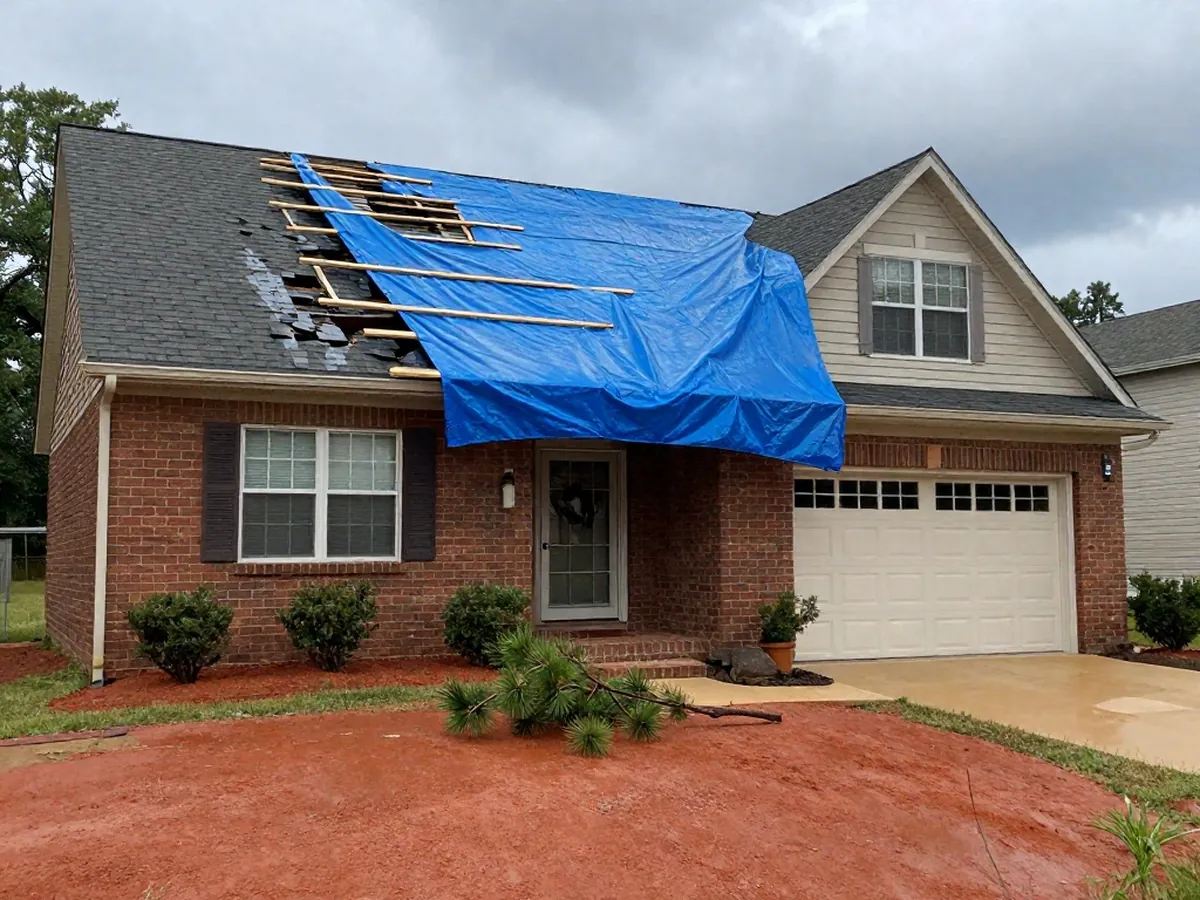
Blue tarp over a damaged shingle roof section after a storm, with a branch in the yard
Fig. 1Blue tarp over a damaged shingle roof section after a storm, with a branch in the yard

Work through it

After the storm: four things, in order

  1. Check for wires and a sagging ceiling before anything else.

    Georgia Power's advice is to treat every downed line as live and life-threatening.

  2. Photograph the damage, inside and outside, before temporary repairs.

    Georgia's insurance commissioner asks for photographs or video.

  3. Keep every receipt for temporary repairs, such as a tarp.

    The same office warns that permanent repairs made ahead of an inspection may lead to a denied claim.

  4. Look at the attic and ceilings from safe footing, not from the roof.

    Write down every place you find water.

What the contractor looks at

  1. Call (678) 940-8196, describe the storm damage and where water appeared inside, and a visit can follow.

  2. Following the water from the roof opening to where it appeared indoors.

  3. Reading moisture in the attic floor, insulation, ceiling and walls.

  4. Judging what needs opening so trapped water can drain and the framing can dry.

  5. Planning the drying, and talking through what a temporary cover over the roof does and does not do.

  6. Laying out repair choices, along with the records Georgia's insurance commissioner asks homeowners to keep.

Asked and answered

How urgent is a storm leak, graded 1 to 10?

Grade 8 to 10: a downed line, water at a light or outlet, a sagging ceiling or a generator running indoors. Use 911 or the utility first, then call (678) 940-8196 about the interior damage. Grade 4 to 7: a stain is spreading or the attic is wet. Call this week. Grade 1 to 3: a faint mark after one hard rain. Date it, photograph it, and check after the next storm.
Which storms hit this part of Georgia most?

For north and central Georgia, the National Weather Service in Peachtree City counts an average of 19 days a year with damaging wind, most often in July. Large hail averages 7 days a year, mostly in April, and tornadoes 6 days, mostly between March and May. All three are regional averages, not counts for Conyers.

What belongs in my storm claim records?

Georgia's insurance commissioner asks for photographs or video taken before any temporary repair, every receipt, and a claim filed early. The NAIC suggests a walk through each room to record your belongings. What is covered is the insurer's call, so ask it directly.

Dry it, cut it or replace it

Roof, attic, ceiling: which part gets dried

A storm leak wets things in a line: roof materials, attic insulation, the ceiling, then the walls and floor below. Among the places the EPA says mold can hide are roof materials above ceiling tiles that got wet from leaks. North Dakota State advises removing and replacing insulation that got soaked.

The roof surface itself is a roofer's job. The wet interior is the part a water damage contractor can look at. Ask both how they would handle the handoff.

Blue tarp over a damaged shingle roof section after a storm, with a branch in the yard

Reading the picture

The tarp and the clay yard in the picture

The picture shows a blue tarp held down with wooden battens over a damaged section of shingle roof on a two-story house, with a fallen pine branch in a sloping clay yard and clearing clouds behind. The tarp keeps rain off the opening. It does not dry anything that is already wet.

That is the point of the interior work: the attic floor, insulation and ceiling under that tarp may still be wet after the sky clears.

Habits that cost more

Four mistakes after a storm

Climbing onto the roof to look.

The attic and the ceilings show most of what a contractor needs to hear.

Walking up to a downed line.

Georgia Power says to call 911 or its outage line so the line can be barricaded, and never to go near it.

Making permanent repairs before an inspection.

Georgia's insurance commissioner warns a claim may be denied.

Running a generator in the garage.

CDC's rule for a generator is the same: never in the home, basement or garage, and 20 feet or more away from any window, door or vent.

What you may notice

  • A ceiling stain that appeared after a storm
  • Wet insulation or damp rafters in the attic
  • Water running down an interior wall after driving rain
  • Shingles, branches or debris in the yard after wind
  • A drip at a vent, chimney or skylight during rain

Paperwork and licensing questions

Roof and ceiling repairs: which desk to ask

Lithonia lists roof among its permit types and links a checklist. Conyers lists a building permit for repairs. Covington enforces the 2024 residential code with Georgia amendments, and Rockdale County says repairs to structures may need permits. The desks and phone numbers are in contractor rules for Conyers.

Call (678) 940-8196